

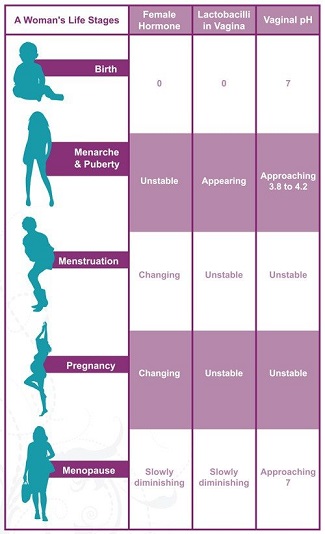
THERE ARE A SURPRISING NUMBER OF TRIGGERS THAT CAN UPSET THE VAGINAL ECOSYSTEM:
Back to top- Menstruation: Blood has a pH of 7.4, so during your period, vaginal pH becomes elevated.
- Tampons: Since they retain the fluids that cause the pH to increase, tampons can contribute to the problem
- Intercourse: The pH of semen is 7.2 to 8
- Douching and cleansers: Any vaginal infusion of water or other fluids can affect vaginal pH
- Normal soap has a pH of 9 or more. The pH of water is 7, and fragrances and perfumes can also irritate the vagina.
- Menopause and pregnancy: These are times hwere hormones fluctuate, which is associated with elevated pH.
- Stress, tight clothing, lingerie and lack of sleep.
- Other risk factors include a new sexual partner or multiple partners, use of antibiotics among others.
PRACTICING SOME OF THESE PREVENTION TECHNIQUES MAY HELP OR REDUCE YOUR RISK:
Back to top- Always wear cotton underwear; avoid nylon and Lycra as much as possible, as they trap air creating a breeding ground for yeast; never wear pantyhose without wearing cotton panties underneath.
- Always use water-based lubricants when vaginal dryness is an issue, during sexual intercourse.
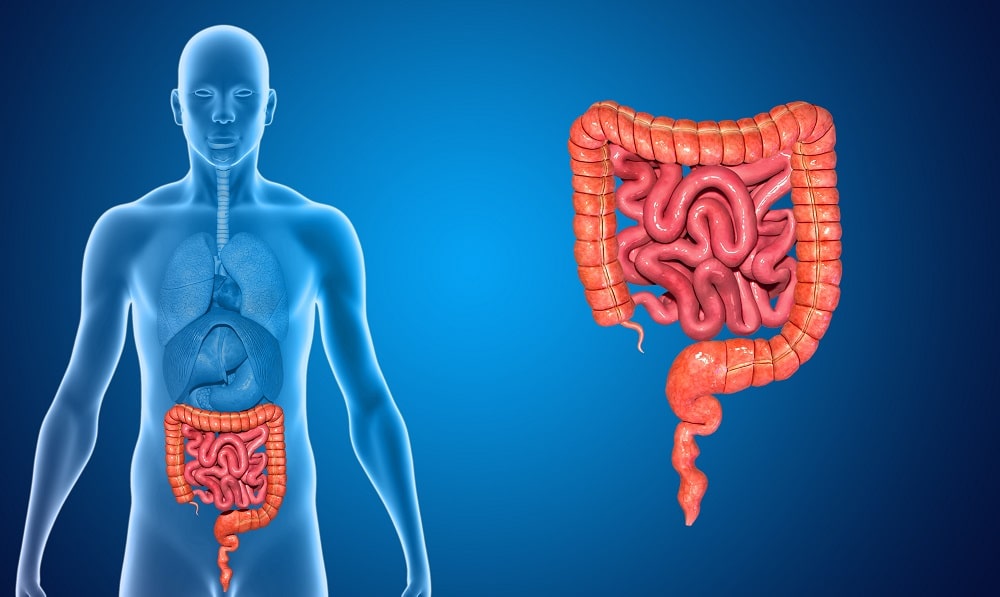
- Always wipe from front to back to prevent the yeast which normally inhabits the intestinal tract from being transferred to the vaginal area.
- Don’t use perfumed bath products or powders in the vaginal area, these can cause irritations which can lead to infection.
- Don’t use douches! Douches wash away the natural protective mucous of the vagina leaving the vagina more susceptible to yeast and other vaginal infections.
- Use a pH balanced feminine wash for your genital area on a daily basis
If your vaginal pH is above normal, you are probably experiencing some of the following symptoms:
- Itching
- Excess discharge, and
- Painful urination

Feminine Hygiene
....
Feminine Hygiene
....
Feminine Hygiene
....
Feminine Hygiene
....
Feminine Hygiene
....

Feminine Hygiene
....