
- High blood pressure
- High blood sugar levels or insulin resistance
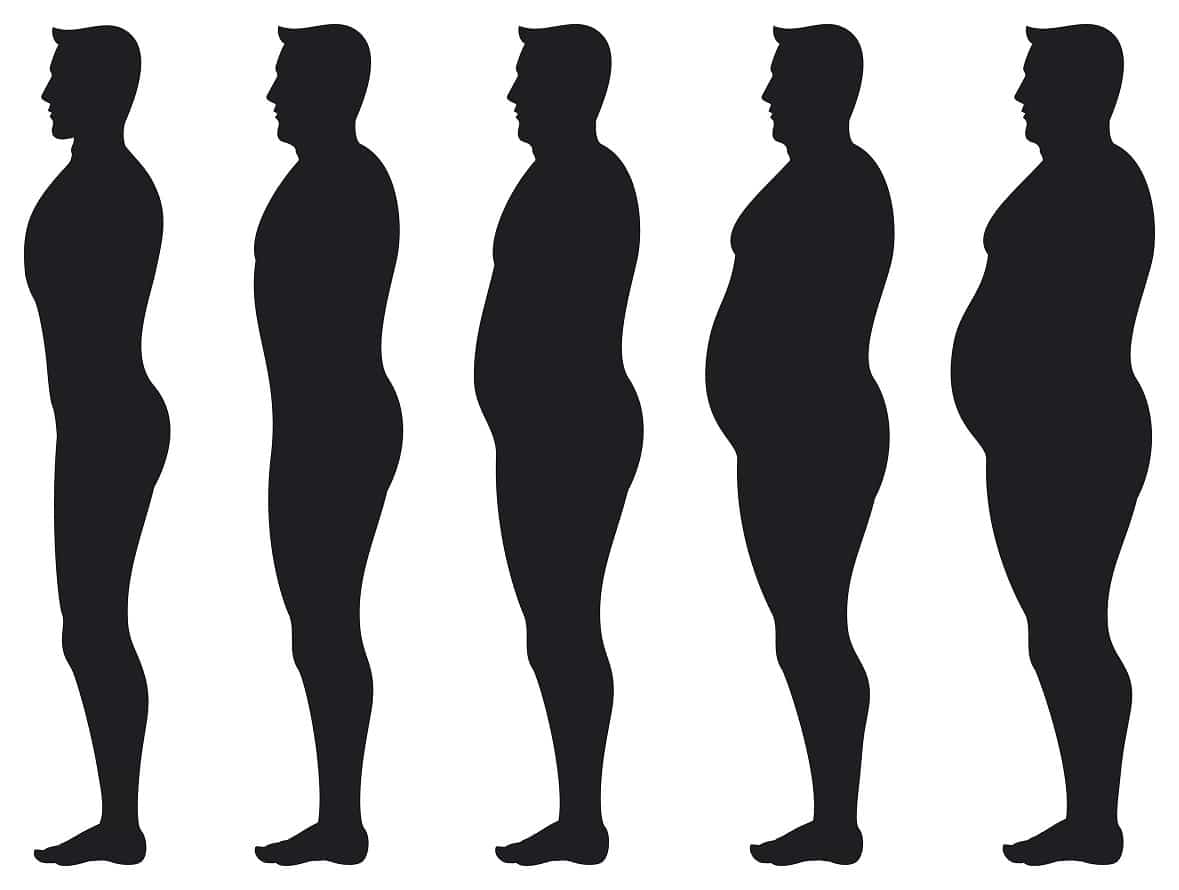
- Body fat accumulating around the waist
- Irregular cholesterol levels
WHY IS METABOLIC SYNDROME DANGEROUS?
Back to topAccording to a recent statement by the World Health Organisation (WHO), heart disease and strokes are identified as leading causes of fatalities in South Africa.
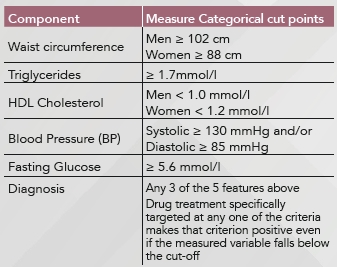
HOW IS METABOLIC SYNDROME DIAGNOSED?
Back to top
WHAT ARE THE CONTRIBUTING FACTORS?
Back to top- Inactivity
- Obesity
- High intake of sugar and refined carbohydrates
- Stress
- Smoking
- Excessive alcohol consumption
SIGNS AND SYMPTOMS
Back to top
THE HEALTH IMPACTS OF EACH CONDITION
Back to topObesity is thought to trigger changes to the chemical processes of the body. These changes cause fat tissue to release fat molecules into the blood, which can affect the cells that respond to insulin, thereby reducing the body’s reaction to insulin (insulin sensitivity).
Studies suggest that abdominal fat prompts the release of chemicals that cause the body to become red, hot, swollen and pain-ridden, which could lead to lowered insulin sensitivity and eventual resistance.

INSULIN RESISTANCE
Back to topInsulin resistance is the precursor to type II diabetes, whereby the beta cells of the pancreas can no longer produce enough insulin to overcome insulin resistance, spiking blood sugar levels.
HYPERTENSION
Back to top
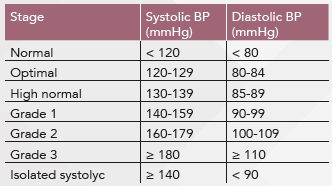
Risk of heart disease: The coronary arteries leading to the heart become progressively narrow from a build-up of plaque (fat, cholesterol and other substances). When the blood flow of the heart muscle is interrupted, it is deprived of oxygen and nutrients, causing a heart attack.
Risk of a stroke: Damaged and weakened blood vessels of the brain, or clots that are formed in the arteries of the brain, obstruct blood flow, potentially causing a stroke.
CHOLESTEROL
Back to topCholesterol is an important waxy substance that originates from the liver and diet in humans and animals, which forms a structural part of many hormones and cells. An excess of bad cholesterol (LDL and triglycerides) and a lack of good cholesterol (HDL) may, however, lead to heart disease in the following ways:
Hardening of the arteries: Too much LDL cholesterol in your body can accumulate in your arteries, clogging them and making them less flexible.
Increased risk of heart failure: Due to the hardened arteries, the heart has to work harder to pump blood through the body.
Heart attack: The build-up of plaque in the coronary arteries can disrupt the flow of oxygen-rich blood to the heart muscle.
A piece of plaque can also block blood flow to the brain, or dislodge and form a clot, leading to a stroke.
IMPACT OF STRESS
Back to top- Increased blood sugar levels and insulin resistance
- Weight gain
- An impaired immune system
- Indigestion
- Elevated blood pressure
- Abnormal cholesterol levels
MANAGING METABOLIC SYNDROME
Back to topAppropriate and aggressive therapy is essential for reducing the risk of cardiovascular disease.
Lifestyle changes should be implemented – exercise, healthy diet, no smoking, low alcohol intake and stress management.
Prescribed medication should aid in combatting insulin resistance, obesity, hypertension and abnormal cholesterol levels.


Metabolic Syndrome

Metabolic Syndrome

Metabolic Syndrome
Metabolic Syndrome

Metabolic Syndrome