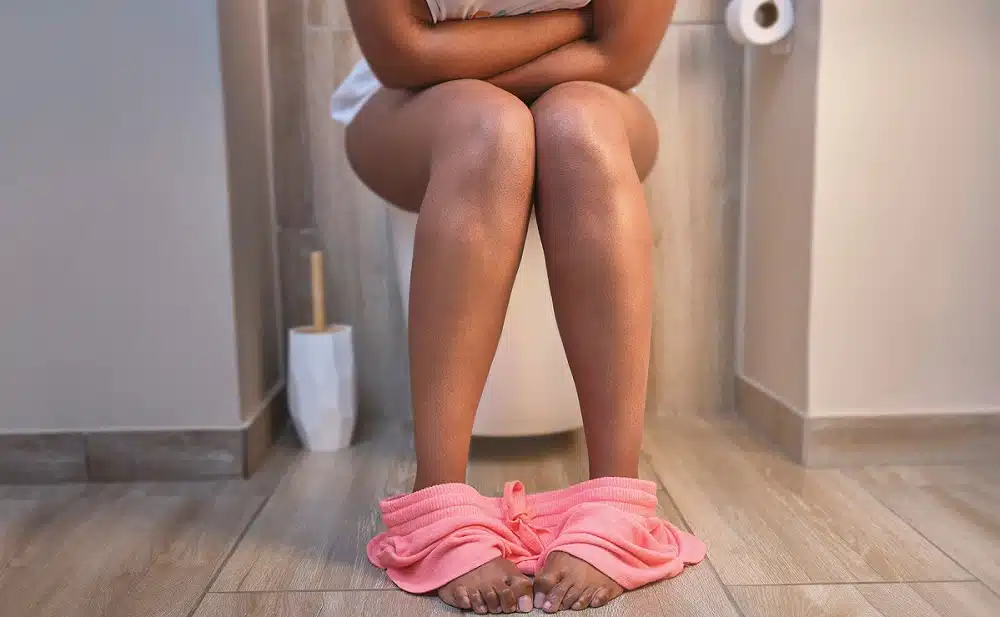

Sometimes it is difficult to hold the urine in, which causes leaking and incontinence.1
WHAT CAUSES OAB?
Back to top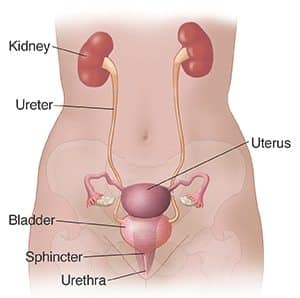
HOW COMMON IS OAB?
Back to topWHAT ARE THE SYMPTOMS OF OAB?
Back to top- Urgent need to pass urine
- Incontinence (urge incontinence and/or stress incontinence)
- Frequency – needing to pass urine 8 or more times a day
- Nocturia – awakening 2 or more times during the night to pass urine
Because of embarrassment, not recognizing the symptoms of OAB as abnormal, or thinking that the symptoms will get better by themself, it is estimated that more than half of people who do seek medical treatment wait more than a year before doing so!1 p7c
How do I know if I have OAB?
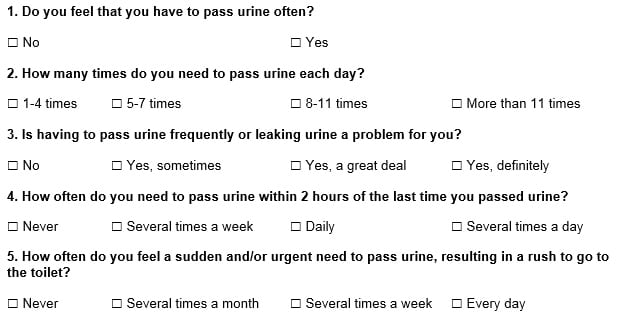
HOW WILL MY DOCTOR DIAGNOSE OAB?
Back to topTo determine whether you have OAB and what treatment may be most appropriate for you, your doctor will ask you questions about your health and symptoms and perform a thorough examination. A urine specimen will be collected to send to the laboratory for analysis and to confirm that symptoms are not due to another cause, such as an infection. If necessary, you may be referred to a specialist doctor, such as a urologist or gynaecologist.
Your doctor may also ask you to keep a bladder diary to help keep track of symptoms, the number of times you need to pass urine during a 24 hour period and how much urine is passed. The diary will also help you to identify anything that is associated with urge and incontinence (e.g., sneezing, lifting, running).
Other tests that may be performed by a urologist include ultrasound, to help determine bladder function, and cystoscopy to look inside the bladder.1,2
HOW IS OAB TREATED?
Back to top- Lifestyle changes
Lifestyle changes may help to reduce some symptoms of OAB. They include avoidance of bladder irritants (e.g., alcohol, caffeine, tomatoes, citrus); limiting fluid intake (especially before going to bed), improving mobility (e.g., losing weight if you are overweight), managing any other coexistent health problems and improving bowel habits and regularity (e.g., increasing fiber intake).1 p19a
- Bladder retraining
Exercises to train and strengthen the muscles of the pelvic floor can help to reduce symptoms and lengthen the period in between needing to go to the toilet.1 p19b
- Medication
Various types of medication may be helpful to manage the symptoms of OAB, depending on the type of patient and the symptoms that are predominant. Examples include:
- Oestrogen therapy for suitable postmenopausal women.
- Medications that stabilise the activity of the muscle in the bladder wall. Some of these medications are available as once-a-day treatments, which are more convenient and reduce the chance of side effects.
- Medications to stabilise tightening and relaxation of the muscular urethral valve controlling urine outflow from the bladder.1,2 1. p22a, 29a; 2. p794a

Overactive Bladder (OAB)

Overactive Bladder (OAB)

Overactive Bladder (OAB)
Overactive Bladder (OAB)
Overactive Bladder (OAB)