HIV | human immunodeficiency virus
HIV destroys the ability of the body’s immune cells to function and so over time, people gradually become immunodeficient (unable to fight off infection).1d
WHERE ARE WE WITH HIV IN 2020?
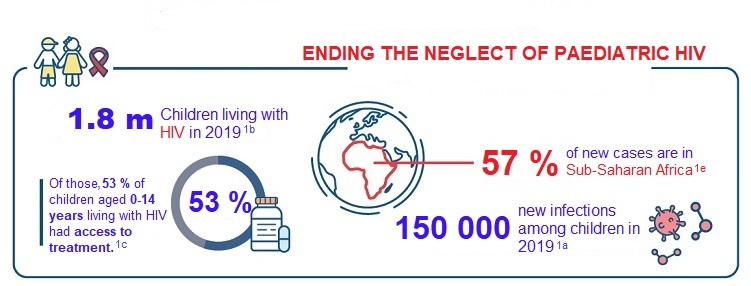
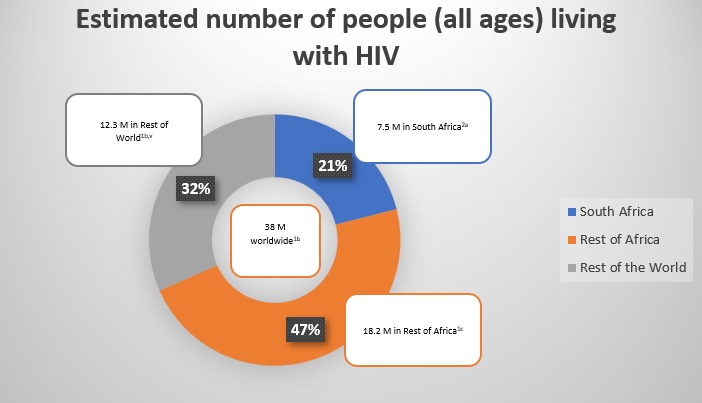
Back to topThere were an estimated 38 million people living with HIV at the end of 2019.1b
Africa remains most severely affected, accounting for more than two-thirds of all people living with HIV worldwide.1c
WHAT IS HIV / AIDS?
Back to topHIV | human immunodeficiency virus
HIV destroys the ability of the body’s immune cells to function and so over time, people gradually become immunodeficient (unable to fight off infection).1d
AIDS | acquired immunodeficiency syndrome (AIDS)
When HIV is left untreated, it leads to the disease AIDS – this is the most advanced stage of HIV infection. A person with AIDS is more susceptible to developing a wide range of infections, certain cancers and other severe long-term clinical complications.
HOW DOES HIV CAUSE DISEASE?
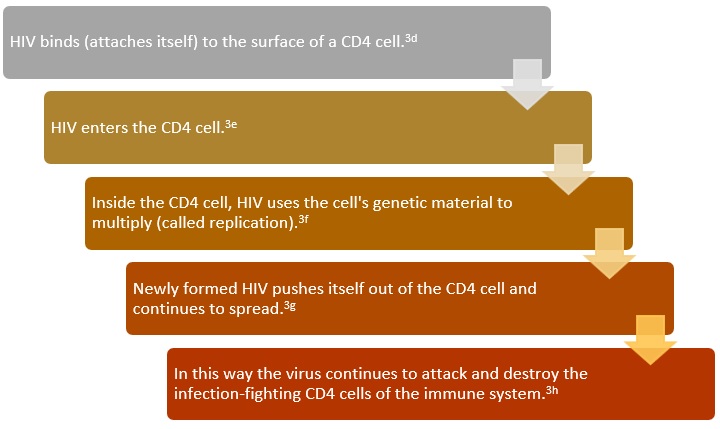
Back to topHIV uses the CD4 cells to multiple and spread throughout the body. HIV can also ‘hide out’ inside these cells for years forming a ‘latent’ HIV reservoir. At any time, cells in the latent reservoir can become active again and start making more HIV.3b,c
The virus at work:
HOW DO YOU GET HIV?
Back to topHIV is spread through the exchange of body fluids from infected people, such as blood, breast milk, semen and vaginal secretions. HIV can also be transmitted from a mother to her child during pregnancy and birth.1i
HIV is not transmitted through ordinary day-to-day contact such as kissing, hugging, shaking hands, or sharing personal objects, sharing a toilet, urine, food or water.1i
DID YOU KNOW?
Back to top
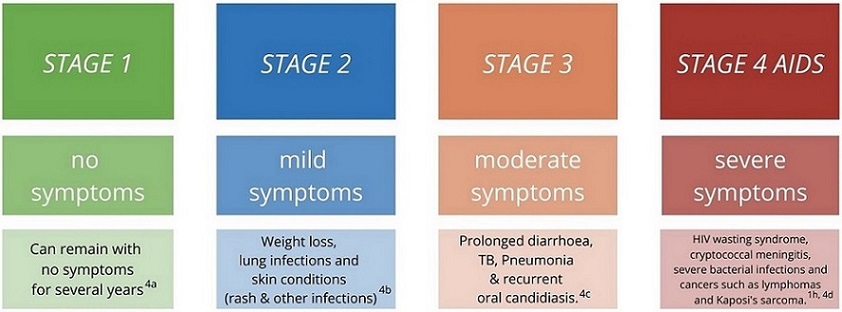
SIGNS AND SYMPTOMS
Back to top
WHO IS AT RISK OF CONTRACTING HIV?
Back to top
- Having unprotected anal or vaginal sex
- Having another sexually transmitted infection (STI) such as syphilis, herpes, chlamydia, gonorrhoea and bacterial vaginosis
- Sharing contaminated needles, syringes when injecting drugs
- Receiving unsafe injections, blood transfusions and medical procedures that involve unsterile cutting or piercing
- Accidental needle stick injuries, including among health workers
HOW DO YOU FIND OUT IF YOU HAVE HIV?
Back to topThere are normally 2 tests that can be done to diagnose and confirm HIV infection.5a HIV testing services is the main entry point to continued HIV care.5b HIV testing can usually be accessed from outpatient clinics, medical, surgical and paediatric wards, emergency units, and maternal/child health clinic services.5c Counselling will be provided before and after you are tested for HIV.5d
You can also buy an HIV testing kit at your nearest pharmacy and self-test at home.3i If you’re positive, it is important to get to your doctor or local clinic as soon as possible.5e
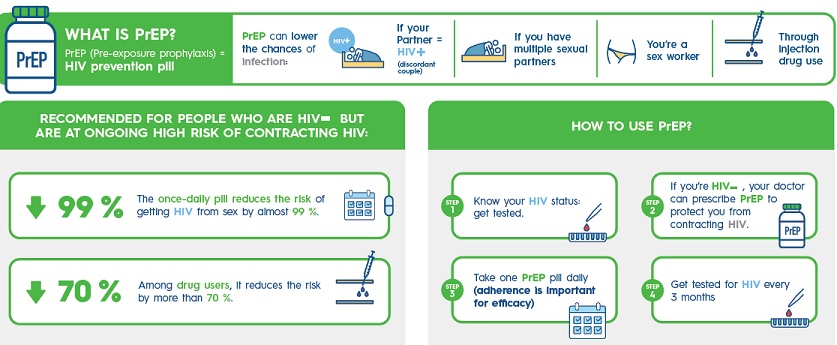
It is important to know your own HIV status so that necessary prevention and/or treatment can be started.5f,g For more information on prevention of HIV infection (pre-exposure prophylaxis and post-exposure prophylaxis): read here.
For any questions and support, The National AIDS Helpline contact details are 0800 012 322.5h
WHAT IS THE ‘WINDOW PERIOD’?
Back to topWhen a person is infected with HIV, the body may take up to 28 days to produce antibodies in high enough levels to be detected by a test this is called the window period. It is during this time that a person can unknowingly transmit HIV to other individuals who are for example their sexual or drug-sharing partner.1l
BLOOD TESTS
Back to topAll people with HIV should have regular blood tests. The two most important blood tests are for CD4 count and viral load.6a
VIRAL LOAD AND VIRAL SUPPRESSION
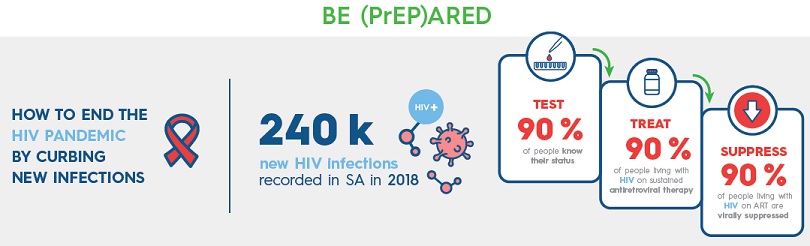
Back to topAntiretroviral medicines suppress the amount of virus in the blood, called viral load:7a
What is viral suppression? When antiretroviral therapy reduces a person’s viral load to an undetectable level. Viral suppression does not mean a person is cured, HIV still remains in the body. If treatment is stopped, the person’s viral load will start to increase again.7b,c
WHAT IS THE GOAL OF TREATMENT?
Back to topThe main goal of ART is to reduce a persons viral load to an undetectable level and restore or preserve immune function which will lead to a reduction in risk of illness and death.8a,b,9a
Patients should be prepared for lifelong ART with good adherence to medications – this is a critical component of achieving effective viral suppression.8c,d
MEDICATIONS
Back to topHIV treatment involves taking medicine that reduces the amount of HIV in your body. HIV medicine is called antiretroviral therapy (ART).10a
It is important to know that:
- There is no effective cure for HIV. But with proper medical care, you can manage HIV.10b
- Taking HIV medicine does not prevent transmission of other sexually transmitted diseases.10b
HIV medicine is recommended for all people with HIV – children, adolescents, adults, pregnant and breastfeeding women – regardless of how long they’ve had the virus or how healthy they are.5i,10c
HOW DO THEY WORK?
Back to topFor more on how these medicines work and specific treatment regimens for people with HIV, you can read further here – HIV treatment for Adults.


HIV 1 – What is HIV?
HIV 1 – What is HIV?
HIV 1 – What is HIV?
HIV 1 – What is HIV?
HIV 1 – What is HIV?