
This fact sheet is for general information about this procedure only.
What is arthritis?
Back to topArthritis is a group of conditions that cause damage to one or more joints.
The most common type of arthritis is osteoarthritis, where there is gradual wear and tear of a joint.
Some other types of arthritis are associated with inflammation of the joints that can eventually lead to severe joint damage.
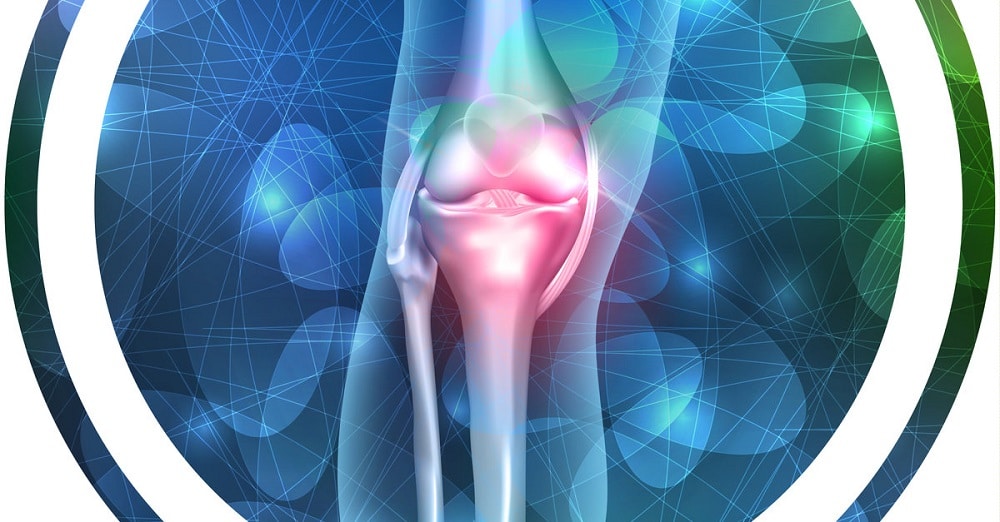
Arthritis eventually wears away the normal cartilage covering the surface of the joint and the bone underneath becomes damaged. This causes pain and stiffness in the joint, which can interfere with normal activities.
What are the benefits of surgery?
Back to topYou should get less pain and be able to walk more easily.
Are there any alternatives to surgery?
Back to topSimple painkillers such as paracetamol and anti-inflammatory painkillers such as ibuprofen can help control the pain of arthritis.
Using a walking stick on the opposite side to the affected knee can make walking easier. Wearing an elasticated support on your knee can help it feel stronger.
Regular moderate exercise can help to reduce stiffness in your knee. Physiotherapy may help to strengthen weak muscles.
A steroid injection into your knee joint can sometimes reduce pain and stiffness for several months.
What does the operation involve?
Back to topVarious anaesthetic techniques are possible.
The operation usually takes an hour to 90 minutes.
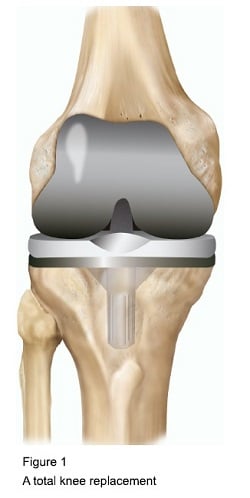
Your surgeon will make a cut on the front of your knee and remove the damaged joint surfaces. They will replace these with an artificial knee joint made of metal, plastic or ceramic, or a combination of these materials.
The implant is fixed to the bone using acrylic cement or special coatings on your knee replacement that bond directly to the bone.
What complications can happen?
Back to topSome complications can be serious and even cause death.
General complications of any operation
- Pain
- Bleeding
- Infection of the surgical site (wound)
- Unsightly scarring of your skin
- Blood clot in your leg
- Blood clot in your lung
- Difficulty passing urine
- Chest infection
- Heart attack
- Stroke
Specific complications of this operation
Back to top- Damage to nerves around your knee
- Split in the bone when your knee replacement is inserted
- Damage to blood vessels
- Damage to ligaments or tendons near your knee
- Infection in your knee
- Loosening without infection
- Dislocation of your knee replacement
- Continued discomfort in your knee
- Severe pain, stiffness and loss of use of your knee
How soon will I recover?
Back to topYou can go home when your pain is under control, you can get about safely, and any care you may need has been arranged.
You may need to use a walking aid for a few weeks.
Regular exercise should help you to return to normal activities as soon as possible. Before you start exercising, ask the healthcare team or your GP for advice.
Most people make a good recovery, have less pain, and can move about better. An artificial knee never feels quite the same as a normal knee, and it is important to look after it in the long term.
A knee replacement can wear out with time.
Summary
Back to topIf you have severe pain, stiffness and disability, a knee replacement should reduce your pain and help you to walk more easily.
This document is intended for information purposes only and should not replace advice that your relevant healthcare team would give you.
Acknowledgements
Reviewer: Mr Stephen Milner DM FRCS (Tr. & Orth.)
Illustrator: Medical Illustration Copyright ©
Medical-Artist.com

Knee Replacement

Knee Replacement

Knee Replacement
Knee Replacement

Knee Replacement