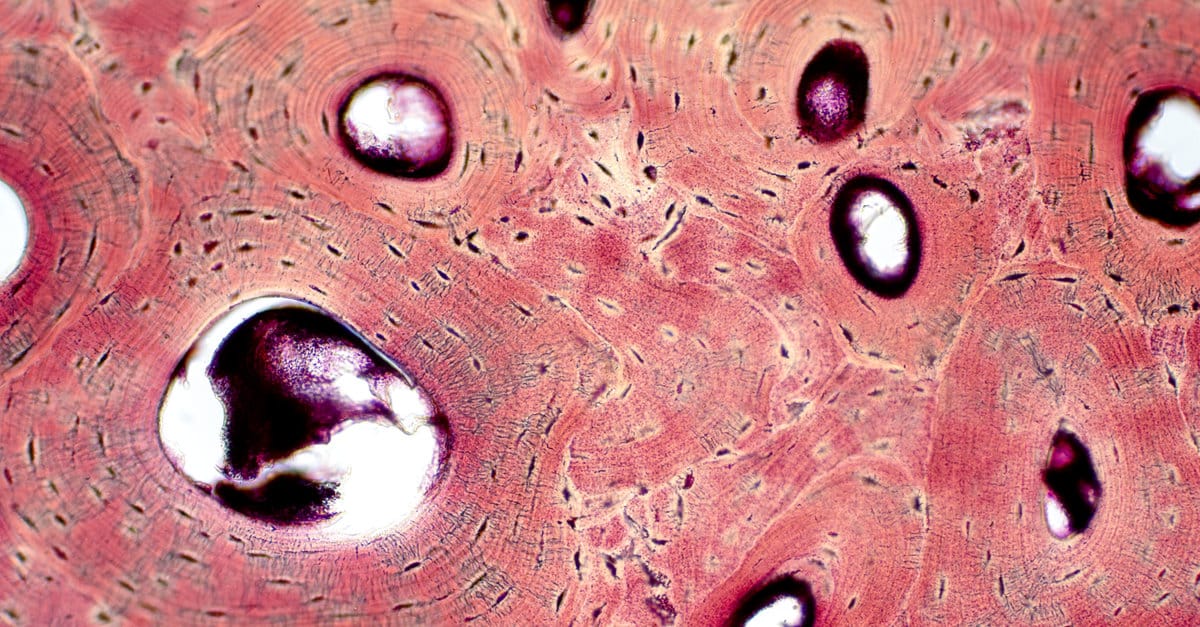

When cancer spreads to other parts of the body, it is called metastasis.
WHAT ARE BONE METASTASES?
Back to topWhen cancer spreads to other parts of the body, it is called metastasis. Bones are one of the most common sites for cancer metastasis. Some cancers are more likely to spread to the bones, including the breast, prostate, kidney, thyroid, and lung.
When cancer cells break away from the original (primary) cancer, travel through the body, and form a tumour in a bone, it is not called bone cancer (cancer that starts in the bone).
Instead, metastatic cancer is named after primary cancer. For example, lung cancer that spreads to the bones is called metastatic lung cancer. When cancer has spread to the bone, people may experience significant pain and loss of movement.
WHAT ARE THE SYMPTOMS OF BONE METASTASES?
Back to topBone metastasis can occur in any bone but there are bones that cancers spread to more commonly than others. Bone metastasis can also cause other health problems, which can interfere with usual activities.
- When cancer metastasizes to the bones, the bones can become weak or unstable.
- Bones most commonly affected include the thigh, spine, ribs, pelvis and skull.
- Bone pain is the most common symptom.
- Bone fractures may also occur.
- If there is spine metastasis, the tumour puts pressure on the spinal cord. When this happens, you may feel weakness or numbness in the body below the tumour.
- Bones damaged by cancer may also release high levels of calcium into the blood (hypercalcemia), causing nausea, fatigue, thirst, frequent urination, and confusion.
HOW IS BONE METASTASES DIAGNOSED?
Back to topA symptom such as bone pain may be the first symptom of bone metastasis. It’s important to tell your doctor about this, as various tests can be done to confirm what is causing this pain and whether there is bone metastasis.
These tests include:
- Imaging tests like X-rays, bone scans, CT (computerized tomography) scans, PET (positron emission tomography) scans, and MRI (magnetic resonance imaging) scans.
- Laboratory tests check blood or urine for high levels of substances that are released into the body when the bone is damaged.
HOW IS BONE METASTASES TREATED?
Back to topThe treatment of bone metastasis includes stopping or slowing down the growth of the tumour and managing symptoms like pain.
Treatment options:
Treatment options for people with bone metastases depend on many things:
- What kind of primary cancer do you have;
- Which bones (and how many) cancer has spread to;
- Whether any bones have been weakened or broken;
- Which treatments you have already had;
- Your symptoms;
- Your general state of health.
There are two main treatments:
- Local treatment: this treatment is directed at a single area and includes external radiation therapy and surgery (e.g., to stabilize a weakened bone).
- Systemic treatment: this treatment affects the whole body and is useful if cancer has spread to many bones. Treatment includes chemotherapy, hormone therapy and other oral or injectable medications.
Bisphosphonates are medications that slow bone thinning, reduce pain, and decrease hypercalcemia. [3,4]
Bisphosphonates are bone-building medications. These medications are commonly used to treat thinning bones (osteoporosis) and may also help with bone metastasis.
These medications can strengthen bones and reduce the pain caused by bone metastasis, reducing the need for strong pain medications. Bone-building medications may also reduce your risk of developing new bone metastases.
HOW ARE BISPHOSPHONATES GIVEN?
Back to topSide effects of bisphosphonate:
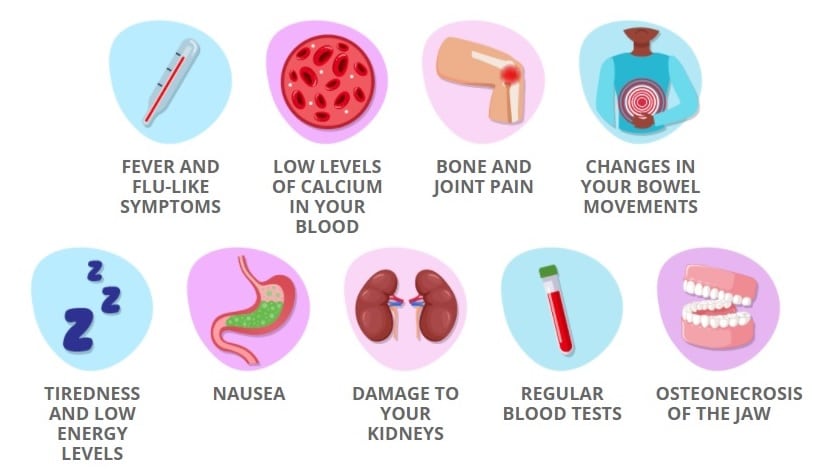
The side effects of bisphosphonate treatment can often be prevented or managed with the help of your health care team. Generally, bisphosphonates don’t cause too many side effects.
If you have side effects, they tend to be mild. Everyone reacts differently to drugs and you may have one or more of the side effects listed below:
WHAT IS OSTEONECROSIS OF THE JAW?
Back to topOsteonecrosis of the jaw, commonly called ONJ, occurs when there is a lack of blood supply to the jawbone. The bone begins to weaken and deteriorate, which may lead to loss of teeth, infections or open sores of the jawbone.
ONJ is very difficult to treat and so prevention is important. Before taking bone-modifying drugs, you should have a thorough dental examination, and any invasive procedures to the jawbone or treatments for mouth infections should be done before starting these drugs.
While receiving bone-modifying drugs, you should take good care of your teeth, mouth, and gums and avoid having any unnecessary invasive dental work done, such as dental surgery. Following these recommendations may help lower the risk of osteonecrosis of the jaw.



Bone Metastases

Bone Metastases

Bone Metastases
Bone Metastases

Bone Metastases