
WHAT IS ACNE?
It is a common skin condition that causes pimples on the face, neck, shoulders, chest and back.1
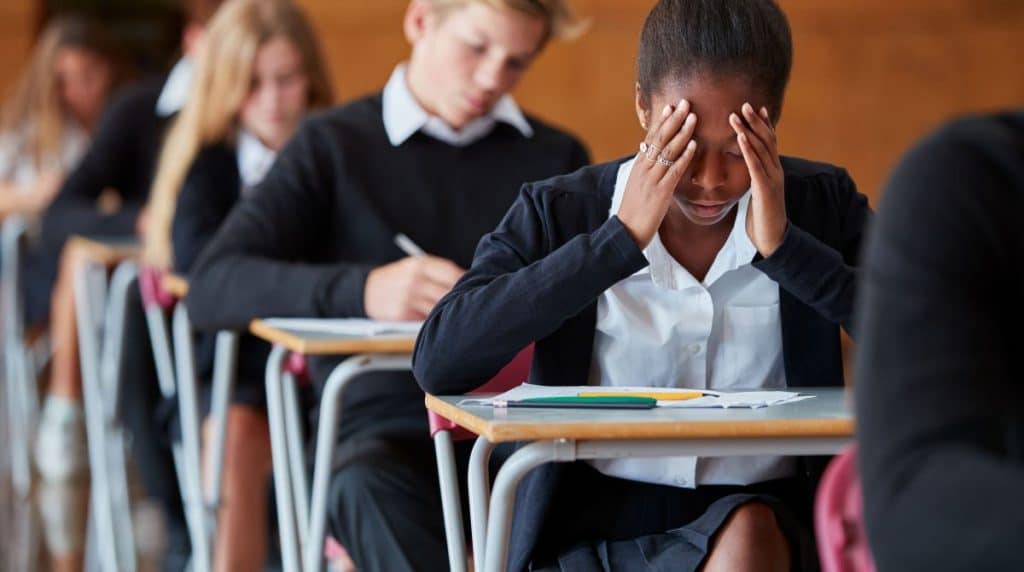
It can be emotionally stressful and, depending on its severity, can also lead to scarring of the skin. 2
It occurs when the hair follicles become clogged with oil or Sebum and dead skin cells. As a result, this prevents Sebum to leave the skin through the pores.1
Contents
Back to top
- Formation of Skin Pimples and Acnes
- Inflammatory lesions
- Symptoms
- What Causes Acne?
Acne Illustration
Back to top

Noninflammatory lesions (Comedones, i.e. whiteheads and blackheads)
Formation of Pimples and Acnes
Back to top
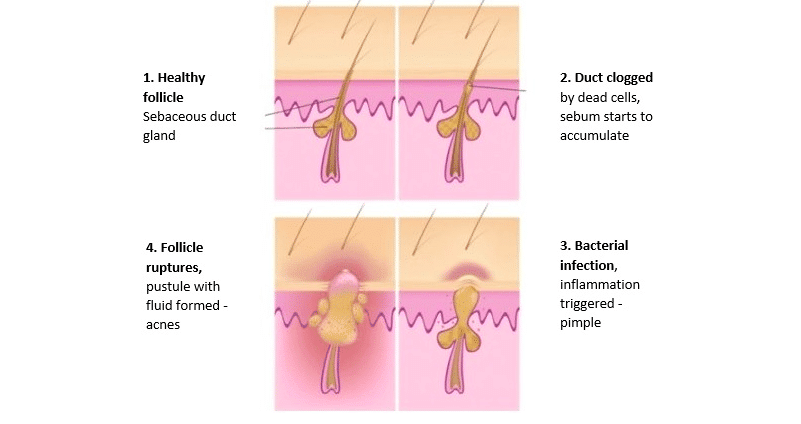
Inflammatory Lesions
Back to top

Symptoms
Back to top
We can identify three levels of severity – mild, moderate and severe.9

What Causes Acne?
Back to top
Four main factors cause acne
These are:
- Excess oil or sebum
- Hair follicles clogged by oil and dead skin cells
- Bacteria
- Inflammation
Factors that can trigger or worsen acne include the following:2b
Hormones
Firstly, male hormones called androgens increase in both boys and girls at puberty. Subsequently, they cause the sebaceous glands to enlarge and make more sebum. Similarly, hormonal changes during midlife, particularly in women, can lead to breakouts.
Medications
Secondly, medicines containing corticosteroids, androgens or lithium are known to cause acne.
Diet
Thirdly, certain dietary factors, including carbohydrate-rich foods, for example bread and chips, may worsen acne.
Treatment1cd
General care is very simple:
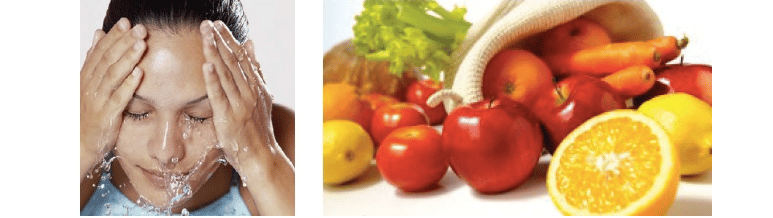
- Gently washed any affected areas with mild soap once or twice a day.
- Use water-based cosmetics as very greasy products can make acne worse.
- Although there are no restrictions on specific foods that a person can eat, we should follow a healthy, balanced diet.
Beyond these routine measures, treatment depends on the severity of the condition.
- Mild acne
Topical medicines are applied to the skin. They work by killing bacteria (antibacterial). Or alternatively, they dry up or unclog the pores. Antibacterials that are commonly used include the two antibiotics, clindamycin and erythromycin, and benzoyl peroxide. Other topical medicines are salicylic acid, resorcinol and sulphur. They work by drying out the pimples and cause slight peeling but are less effective than antibiotics or benzoyl peroxide.
If topical antibacterials fail, doctors may prescribe other medicines that help to unclog the pores like tretinoin. While tretinoin is very effective, it irritates the skin and makes the skin more sensitive to sunlight.
-
Moderate acne
Oral antibiotics given by mouth are usually prescribed to treat moderate acne. Examples of these antibiotics include tetracycline, doxycycline, minocycline and erythromycin.
-
Severe acne
When oral antibiotics are ineffective in treating severe cases, oral isotretinoin is considered the best treatment. Isotretinoin is the only medicine that can potentially cure acne. It is generally prescribed for 20 weeks. While isotretinoin is highly effective, it can have serious side effects. For instance, it can harm a developing foetus.
Therefore, women taking isotretinoin must use strict contraceptive measures to ensure that they do not fall pregnant. Other people may need to use specific acne treatments. For example, a doctor may prescribe an oral contraceptive for a woman with severe acne that worsens with her menstrual period.

Acne (Pimples)
Acne (Pimples)
Acne (Pimples)
Acne (Pimples)
Acne (Pimples)