

If you have any concerns about your treatment, do not hesitate to ask your doctor or nurse for help and advice.
1. WHAT IS CANCER?
Back to top
Cancer is a disease in which healthy cells of the body become abnormal.
Unlike healthy cells, cancerous cells:
• Multiply uncontrollably
• Can get into and destroy normal body tissue
• Can spread throughout your body.
If the abnormal cell survives, it may divide into two, then four, then eight, etc. A group of abnormal cells then form. If this group of cells gets bigger, it becomes a large clump of abnormal cells called a tumour. Tumours may be benign (not cancerous and usually not life-threatening) or malignant (cancerous).
CAUSES OF CANCER
Back to topThe body has mechanisms that may protect us from developing cancer. Damaged cells can repair themselves or your body’s immune system may be able to destroy some types of abnormal cells before they multiply into a tumour. We all have a risk of developing cancer:
1. Age
2. Lifestyle – smoking/alcohol/diet
3. Family history
4. Other health conditions
5. Environmental factors – chemicals/second-hand smoke
CANCER TREATMENT
Back to topABOUT CANCER CHEMOTHERAPY
Using chemical substances such as cytotoxic (destructive to cells) medicines to treat cancer, is called chemotherapy. There are many different cytotoxic medicines used in the treatment of cancer. Different cytotoxic medicines destroy cells in different ways.
For example, some work by affecting the genetic material of the cell directly, others work by blocking cells from using nutrients needed to divide and multiply. In each case the medication chosen, will depend on the type and stage of the cancer. Two or more cytotoxic medicines are often used in a cycle of cancer chemotherapy, each with a different way of working, to give a better chance killing cancer cells than using only one.
Cancer chemotherapy does not only target cancer cells. Other cells in the body are affected as well and this can lead to a variety of side effects. Different cytotoxic medicines produce different side effects.
2. ORAL CHEMOTHERAPY
Back to topCancer chemotherapy is not only administrated directly into a vein. Some chemotherapy treatments are taken orally in the form of pills or liquid. This treatment type is just as strong and effective as the other types.
How you tolerate these medicines is very important as they have high toxicity concentrations. Ensure to wash your hands with soap before and after you take oral chemotherapy.
DO NOT BREAK, SPLIT OR CRUSH THIS TYPE OF MEDICINE.
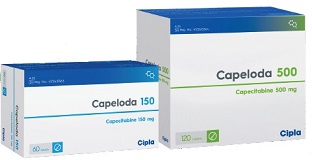
In this booklet we focus on capecitabine, a type of cancer chemotherapy treatment that is taken orally in the form of a tablet.
3. ABOUT YOUR CAPECITABINE TREATMENT
Back to topCAPECITABINE belongs to the group of medicines called antimetabolites, which prevent cell growth by interfering with the enzyme reactions essential for DNA synthesis.
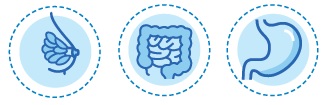
CAPECITABINE is used to treat breast cancer, colorectal cancer and gastric cancer.
CAPECITABINE may be given in combination with other cancer chemotherapy medicines or as standalone therapy.
HOW TO TAKE CAPECITABINE
Back to topCAPECITABINE tablets should be swallowed with water during or within 30 minutes after a meal.
4. COMMON SIDE EFFECTS
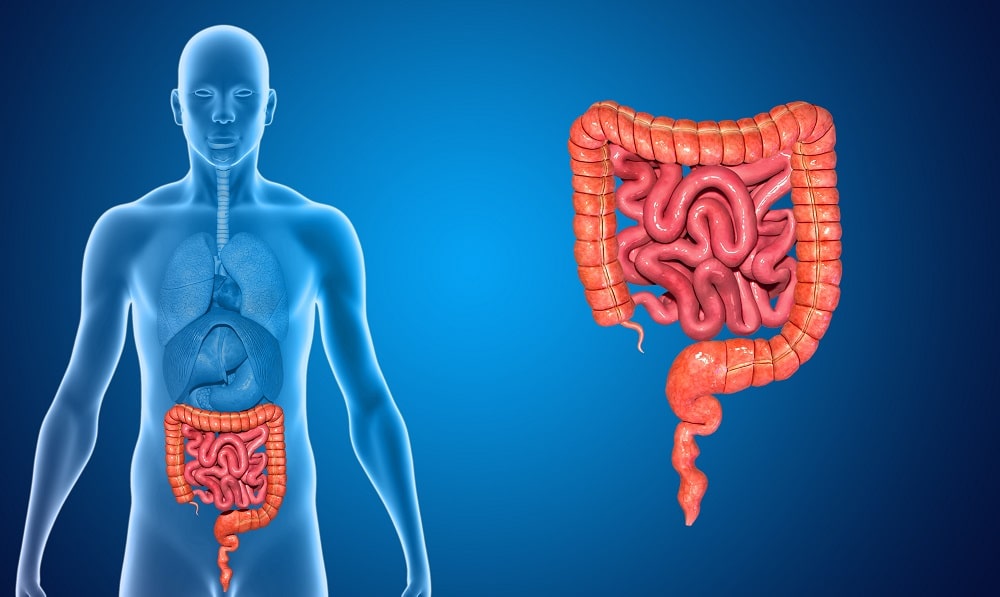
Back to topDiarrhoea
You should increase your fluid intake if you develop diarrhoea while taking capecitabine. If it persists or becomes severe, you should tell your doctor. Anti-diarrhoeal medicines may be needed, and you may even need to be admitted to hospital for treatment if you become dehydrated due to severe diarrhoea.
Nausea and vomiting
It can be common to feel sick (nauseous) during and after each cycle of treatment. To reduce nausea, your doctor may prescribe anti-nausea medications.
Abdominal pain
Abdominal pain can happen along with other gastrointestinal side-effects. If your abdominal pain gets worse as time passes, or lasts longer than 24 hours, call your doctor immediately. Your doctor may want you to stop or switch medications to see if that helps ease your pain.
Stomatitis
Mouth and throat sores can be red, swollen and look like ulcers. It may make it difficult for you to eat, drink or talk as these sores can be painful. Medication may be needed if the sores are made worse by an oral fungal infection. Consult your doctor should this occur.
FATIGUE
Tiredness is a common side-effect.
It is likely that you will feel more tired than normal during a course of chemotherapy. You may need to cut back on your normal activities, plan regular rests, and if possible, take some regular light exercise. Some people feel overwhelmingly tired and may need to rely on other people to do routine daily chores.
HAND-FOOT SYNDROME
This is a condition marked by pain, swelling, numbness, redness and sometimes blistering of the hands and/or soles of the feet. It sometimes occurs as a side effect when taking capecitabine. Hand-foot syndrome is also called palmar-plantar erythrodysesthesia.
Mild/moderate symptoms include:
• Tenderness or sensitivity to touch
• Tightness of skin
• Tingling or burning of skin
• Redness similar to sunburn
• Swelling
Severe symptoms include:
• Skin cracking, peeling or flaking
• Blisters and sores on the skin
• Severe pain
• Difficulty walking or using your hands
Preventing and managing hand-foot syndrome:
• Avoid contact with heat like saunas, steam rooms or sitting in the sun
• Limit usage of hot water while bathing or washing dishes
• Take cool showers
• Cool hands and feet using ice packs, cool running water or a wet towel
• Avoid contact with harsh chemical detergents or products
• Keep skin moisturized, however avoid rubbing creams into the skin which causes friction
• Wear loose clothes and shoes that will allow for ventilation and not cause friction towards the skin

1. Cancer – A general overview. Available at: https://patient.info/cancer/cancer.
2. What is Cancer. National Cancer Institute Available at: https://www.cancer.gov/about-cancer/understanding/what-is-cancer.
3. Gurvinder Rull. Chemotherapy. (2017). Available at: https://patient.info/cancer/cancer/chemotherapy
4. ASCO Answers: Oral Chemotherapy. ASCO
5. Oxford Medical Dictionary. (Oxford University Press, 1996).
6. For full prescribing information, refer to the Professional Information approved by the medicines regulatory authority. (2019).
7. Abdominal Pain. Breast cancer Org Available at: https://www.breastcancer.org/treatment/side_effects/abdominal_pain.
8. Mouth and Throat sores (Mucositis). Breast cancer Org Available at: https://www.breastcancer.org/treatment/side_effects/mouth_
throat_sores.
9. Fatigue Patient Version. National Cancer Institute Available at: https://www.cancer.gov/about-cancer/treatment/side-effects/fatigue/
fatigue-pdq.
10. Hand foot Syndrome Syndrome. ASCO Available at: https://www.cancer.net/coping-with-cancer/physical-emotional-and-socialeffects-cancer/managing-physical-side-effects/hand-foot-syndrome-or-palmar-plantar-erythrodysesthesia.
CIPLA MEDPRO (PTY) LTD. Co. Reg. No. 1995/004182/07. Building 9, Parc du Cap, Mispel Street, Bellville, 7530, RSA.
Website: www.cipla.co.za Customer Care: 080 222 6662. [467162362]

Capeloda Therapy – scripted patients only

Capeloda Therapy – scripted patients only

Capeloda Therapy – scripted patients only
Capeloda Therapy – scripted patients only
Capeloda Therapy – scripted patients only