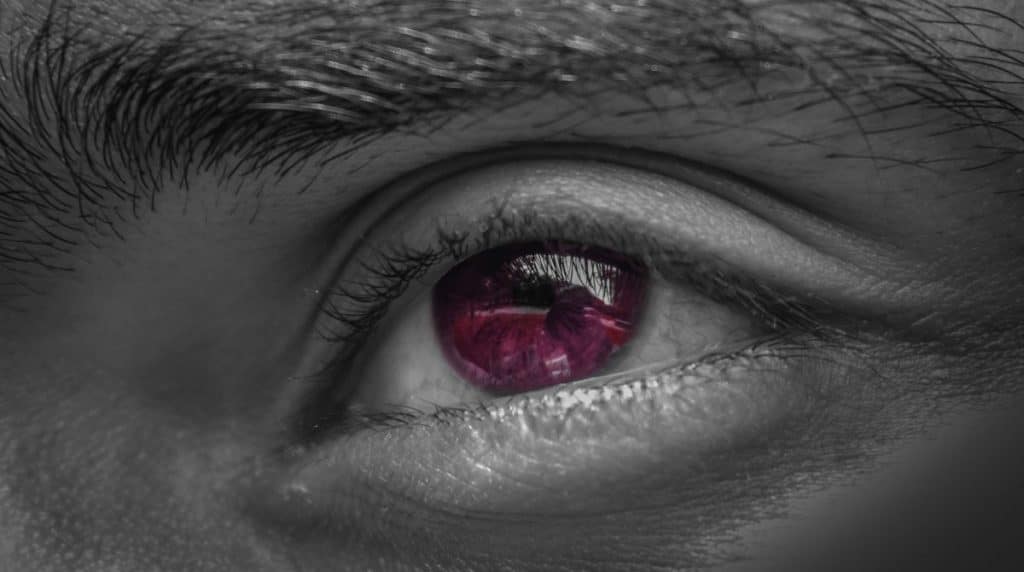

WHAT IS CONJUNCTIVITIS?
Commonly known as pinkeye, Conjunctivitis is inflammation of the thin clear lining (conjunctiva) that covers the white part of the eye as well as the inside of the eyelid.
CAUSES OF CONJUNCTIVITIS
Back to topConjunctivitis can originate from both infective and non-infective culprits, such as:
- Viruses, bacteria and fungi
- Irritants such as shampoos, dirt, smoke, and pool chlorine
- Allergies or allergens such as dust, pollutants and contact lenses
Conjunctivitis, caused by viruses and bacteria, is contagious .
.
SIGNS AND SYMPTOMS OF CONJUNCTIVITIS
Back to topSigns and symptoms may vary, depending on the cause, but could include:
- Redness in the white of the eye or inner eyelid
- An increased amount of tears
- Thick yellow discharge that crusts over the eyelashes, especially after sleep
- Green or white discharge from the eye
- Itchy eyes
- Burning eyes
- Blurred vision
- Increased sensitivity to light
HOW IS CONJUNCTIVITIS DIAGNOSED?
Back to top- Most often in accordance with the signs, symptoms and history
- Clinical examination with an ophthalmoscope
- In some cases, a swab will be taken with cotton swab to sample fluid from the eyelid to be analysed in a lab, especially if the cause is likely a bacterial or viral infection

.jpg)
- Avoid contact with individuals who has pinkeye
- Wash your hands regularly, especially when you have a cold or flu
- Change your contact lenses frequently as prescribed by your provider
- Chemicals must not come into contact with the eyes. Should a chemical make contact with the eye, immediately rinse the eye with water
- Women should not share make-up
- Use a clean towel and facecloth daily – no sharing
- Change your pillowcase often
- When swimming, wear swim goggles
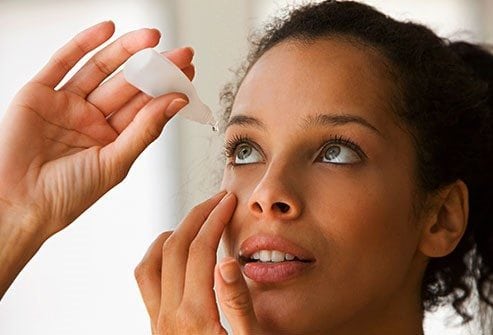
The treatment of pinkeye depends on the cause. The most common causes can be managed in the following ways:
- Viral: Mostly symptomatic with a cold compress or warm compress several times per day
- Bacterial: Typically managed with antibacterial eye drops or ointments
- Pinkeye due to an allergy or allergens: An anti-inflammatory or antihistamine may be helpful in combination with rinsing of the eyes with cold water.
- Change from contract lenses to wearing glasses until the condition has cleared up completely
- The ideal remedy would be one that simultaneously treats all these distressing ailments, with the following therapeutic properties:
- anti-inflammatory
- antibacterial,
- antiviral
- antifungal
- safe to be applied directly onto the eyes, in both adults and children
WHEN TO CONSULT A HEALTHCARE PROFESSIONAL
Back to topConjunctivitis is usually not a serious health risk if diagnosed promptly. It lasts between 4 to 7 days. However, Pinkeye in new-born babies should be reported to a doctor immediately, as it could be a vision-threatening infection. If you develop blurred vision with pinkeye, see your eye doctor immediately.


Conjunctivitis
WHAT IS CONJUNCTIVITIS? Commonly known as pinkeye, Conjunctivitis is inflammation of the thin clear lining (conjunctiva) that covers the white part ....

Conjunctivitis
WHAT IS CONJUNCTIVITIS? Commonly known as pinkeye, Conjunctivitis is inflammation of the thin clear lining (conjunctiva) that covers the white part ....

Conjunctivitis
WHAT IS CONJUNCTIVITIS? Commonly known as pinkeye, Conjunctivitis is inflammation of the thin clear lining (conjunctiva) that covers the white part ....

Conjunctivitis
WHAT IS CONJUNCTIVITIS? Commonly known as pinkeye, Conjunctivitis is inflammation of the thin clear lining (conjunctiva) that covers the white part ....

Conjunctivitis
WHAT IS CONJUNCTIVITIS? Commonly known as pinkeye, Conjunctivitis is inflammation of the thin clear lining (conjunctiva) that covers the white part ....

Conjunctivitis
WHAT IS CONJUNCTIVITIS? Commonly known as pinkeye, Conjunctivitis is inflammation of the thin clear lining (conjunctiva) that covers the white part ....