

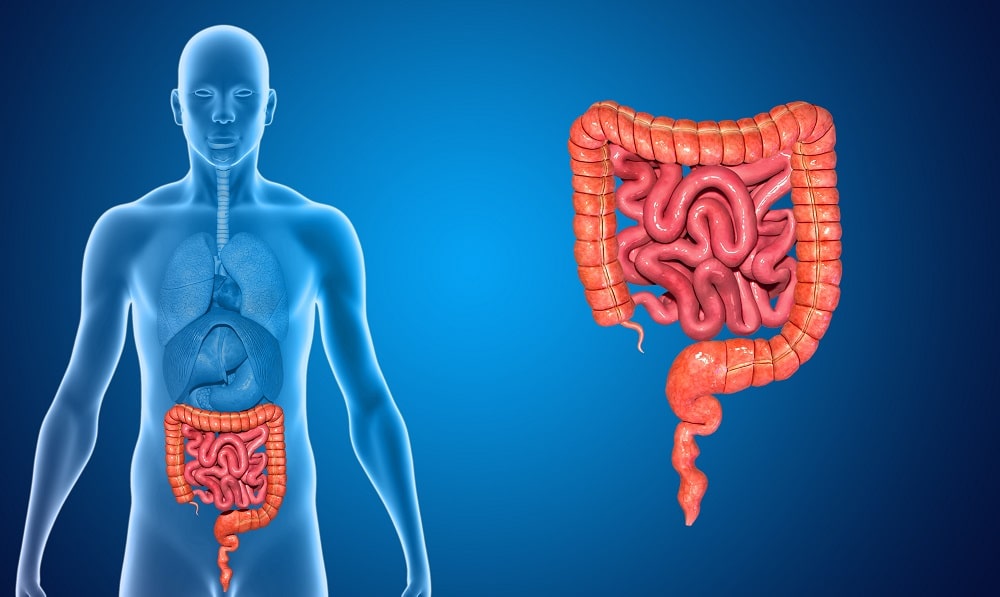
Intestinal worms, also known as parasitic worms, are simple organisms that feed off the human body.1
Common types of intestinal worms include the following:2
- Firstly, Roundworms which include Ascaris roundworm, pinworm, whipworm, threadworm and hookworm infections.
- Secondly, Flatworms which include tapeworms and flukes.
Studies performed in different areas in South Africa found that primary school children are mostly affected by soil-transmitted parasites. Moreover, they also have the highest infection rate, either with a single worm infestation or mixed infections (2 two types of worms).3-6
Off course adults are also affected, however to a much lesser extent.4
GET TO KNOW THE COMMON INTESTINAL WORMS
Back to top
Intestinal worms differ from each other in terms of the following: Firstly, their life cycles. Secondly, transmission. And finally, the symptoms they cause after infestation.
TYPE: ROUNDWORMS
Back to top
Roundworms are simple multicellular parasites with their own digestive system.
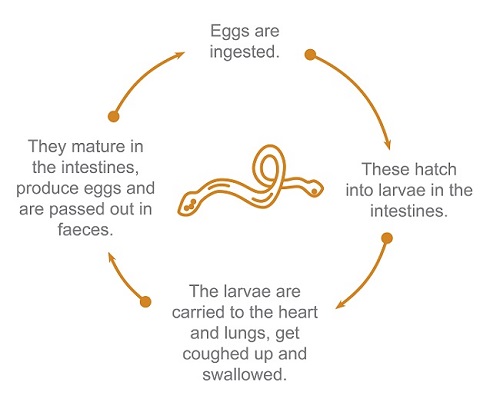
TYPE: ASCARIS ROUNDWORM
Back to top
Ingestion (by mouth) – through eating food or drinking water.
Specific symptoms include the following:
Mild symptoms which include stomach pain, nausea, weight loss and diarrhoea. Additionally, if these intestinal worms are present in the lungs, then fever, wheezing and coughing can also occur.
TYPE: WHIPWORM
Back to top
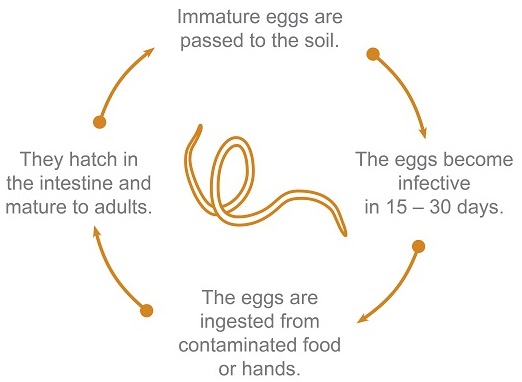
Ingestion (by mouth) via food or water.
Specific symptoms include the following:
Stomach pain, nausea, vomiting, diarrhoea and loss of appetite. However, with a heavy infestation, bleeding from the intestines, severe abdominal cramps, anaemia, appendicitis and rectal prolapse may also occur.
TYPE: HOOKWORM
Back to top
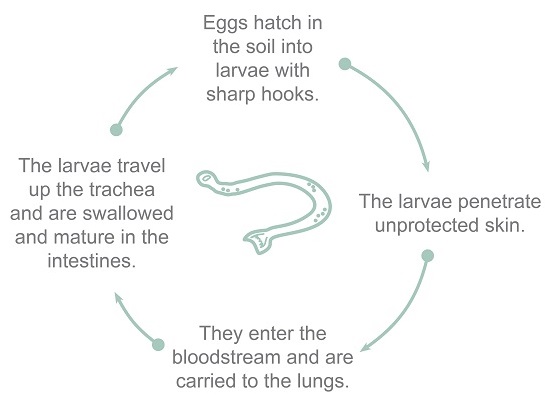
Through the skin.
Specific symptoms include the following:
Rash and itching at the site of entry.
Moreover, heavy infections can cause stomach pain, anaemia, weight loss, as well as poor growth and mental retardation in children.
TYPE: THREADWORM
Back to top
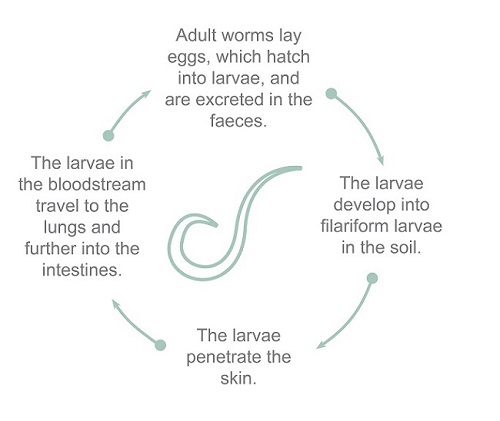
Through the skin.
Specific symptoms:
Significantly, some people may not show any symptoms. Even so, the symptoms include itching and rashes on the buttocks or waist area, abdominal pain, diarrhoea alternating with constipation, nausea, vomiting, coughing blood-stained mucus.
TYPE: PINWORM
Back to top
Ingestion from the environment.
Specific symptoms include the following:
Itching around the anus, irritability, restlessness, sleeplessness, weight loss and poor appetite, nail-biting and grinding of teeth. What is more, vaginal itching and irritation may occur in girls.

TYPE: FLATWORMS
Back to top
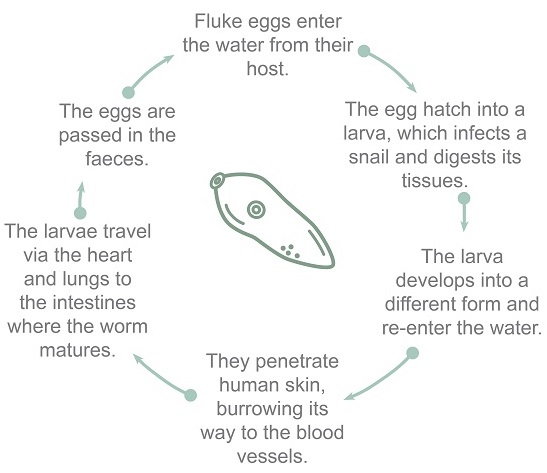
These are simple parasites without any circulatory or respiratory system. They feed off the blood and tissue of it’s host (people or animals) to survive.2,6
TYPE: TREMATODES OR FLUKES*
Back to top
Skin.
Specific symptoms include the following:
Although they usually cause no or mild symptoms, they can also cause a severe infection with stomach pain, diarrhoea and fever.
*Not all deworming medicines are indicated to treat trematodes/flukes.
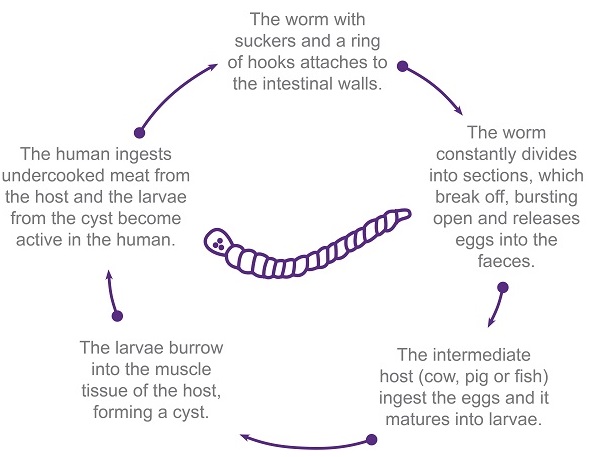
TYPE: TAPEWORM
Back to top
Ingestion – meat.
Specific symptoms include the following:
Can often have no symptoms. Even so, certain infestations may lead to stomach pain, diarrhoea, weight loss, weakness, and nausea.
PREVENTING INFESTATION
Back to top
To prevent intestinal worms, strict hygiene practices are needed, as well as regular deworming.1,2
Firstly, hand washing:
- Wash hands before and after using the toilet.
- Wash hands before cooking or handling food, as well as before eating meals.
Significantly, the spread of parasitic (worm) infections can occur directly or indirectly through objects contaminated with faeces. For instance food, water, fingers and fingernails. For this reason, handwashing is important to stop the spread of faecal-oral human-to-human transmission.10
Secondly, safe food practices:
- Always cook all types of meat thoroughly before consumption.
- Likewise, never eat undercooked or raw meats.
- Use separate cutting boards for meat and vegetables.
- Thoroughly wash and peel fruit or vegetables.
- Only use clean water.
Thirdly, skin protection:
- Avoid swimming in sources of unclean water.
- Avoid walking barefoot in sandy areas, especially where contamination with faecal matter is possible.
DEWORMING RECOMMENDATIONS
Back to top
The World Health Organisation (WHO) recommends annual deworming in areas where the prevalence of infections is 20 % or more and twice yearly deworming in areas where prevalence is over 50 %.
In South Africa, it is recommended that all members of the family get dewormed twice a year.
A TYPICAL SCENARIO
Is it worms?
Threadworm infestation is likely due to the following reasons. Firslte, the children’s age. Secondly, the presence of a transmission medium (sandbox) at school. Thirdly, close contact between family members. Fourthly, stomach pain and cramps. Fifthly, bum itching and scratching. And lastly, the alternating diarrhoea and constipation.
Most importantly: always consult your pharmacist or doctor for a diagnosis and appropriate treatment options.
What can you do about it?
Your doctor or pharmacist may prescribe or dispense deworming treatment over-the-counter.

DEWORMING PRODUCT INFORMATION: VERMOX®
Back to top
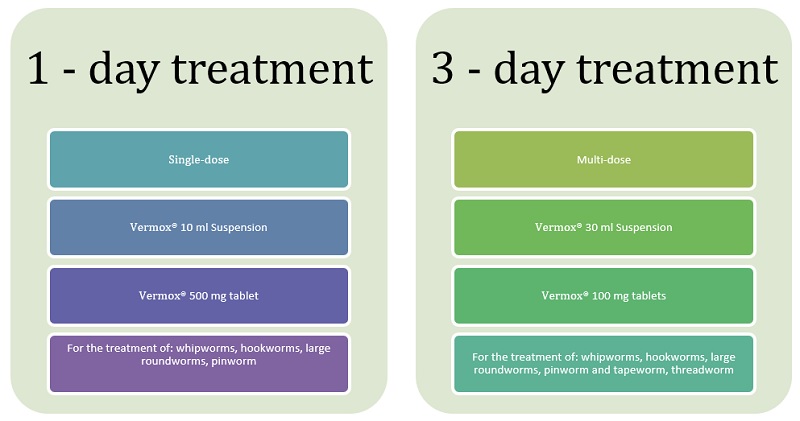
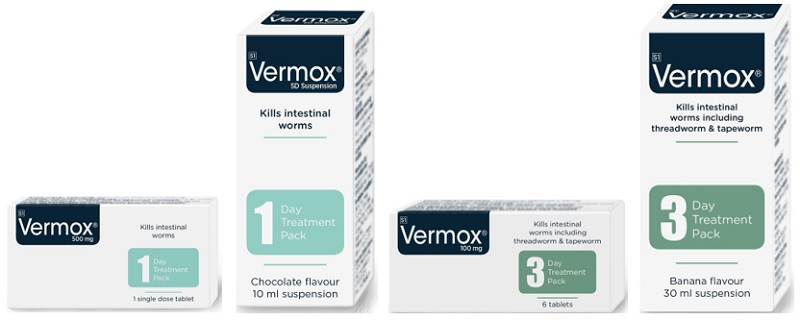
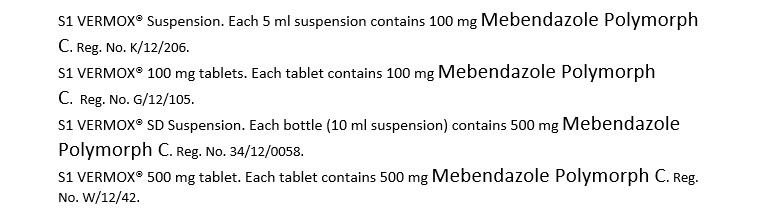
For full prescribing information, please refer to the package insert approved by the Regulatory Authority. ® Trademark © Johnson & Johnson (Pty) Ltd 2021. ZA-IM-2100001.
Talk to us on sharecall 0860 410032 or email jnjza@its.jnj.com.




Deworming

Deworming

Deworming
Deworming
Deworming