
Integration of HIV treatment services and family planning is of paramount importance. Women living with HIV should have access to comprehensive information to assist them in making an informed, voluntary choice of a contraceptive method.1a,b
FAMILY PLANNING AND CONTRACEPTION FOR WOMEN LIVING WITH HIV
Back to topMethods of contraception include:1e
- BARRIER METHODS block sperm from reaching an egg3a
Condoms (male and female)
- SHORT-ACTING HORMONAL METHODS interfere with ovulation, fertilisation or implantation of a fertilised egg3b
Oral Contraceptives
Injection
- LONG-ACTING REVERSIBLE HORMONAL METHODS stop ovulation, fertilisation or implantation of a fertilised egg3c
Intrauterine Contraceptive Devices (IUCDs)
Implant
- EMERGENCY CONTRACEPTION can be used after unprotected sex or when another form of contraception fails3d
Emergency pill or IUD
- STERILISATION suitable for a woman with no desire for a child now or in the future.2b
Sterilisation (male or female)
PREVENTION OF PREGNANCY – A PARTNERSHIP
Back to topThe health and co-operation of both partners is important for safe contraception.1e The contraceptive choice depends on if or when the woman may want to fall pregnant in the future.1f If a woman does fall pregnant, she and her partner should continue using condoms consistently during pregnancy and the breastfeeding period.1g
THE ‘DUAL METHOD’
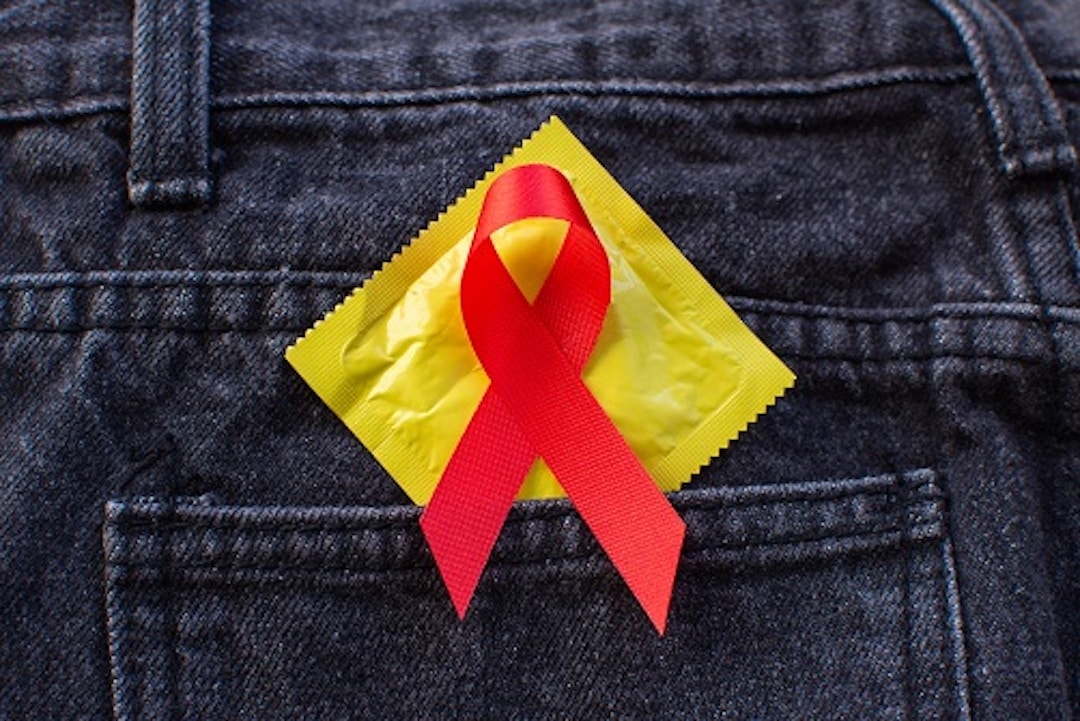
Back to topA dual method of contraception is strongly recommended that all women living with HIV who wish to avoid pregnancy should consider a dual method of effective contraception – a contraceptive method of their choice plus consistent use of male or female condoms.1d,i
Dual methods are recommended and consist of:
- a hormonal method or IUCD to prevent pregnancy, and
- a barrier method (male/female condoms) to prevent STIs and HIV transmission1d
This will ensure prevention of pregnancy, prevent STIs and HIV transmission between partners.1i
ADDITIONAL PROTECTION
Back to top
ARE THERE ANY INTERACTIONS BETWEEN CONTRACEPTION AND HIV MEDICINES?
Back to topThere are some concerns that hormonal contraceptives may have reduced efficacy when combined with certain HIV medicines, e.g. if you are taking a regimen containing efavirenz, then an implant is not recommended.1h Always consult a health care professional to determine which contraceptive options is best for you and continue to use condoms correctly and consistently.1h



HIV 7 – Contraception

HIV 7 – Contraception

HIV 7 – Contraception
HIV 7 – Contraception

HIV 7 – Contraception