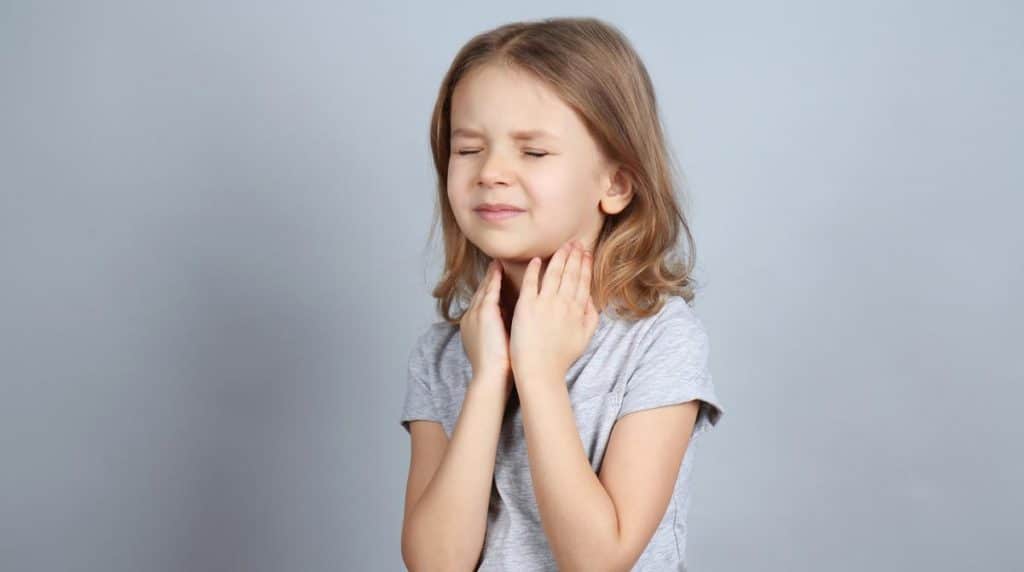

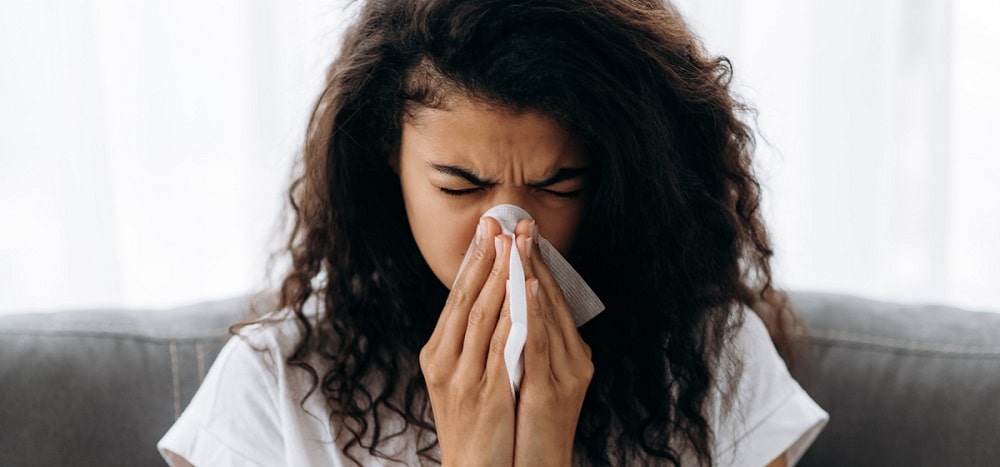
A sore throat is a symptom of inflammation of the pharynx (pharyngitis) or tonsils (tonsillitis), or both and anyone can get a sore throat.
SORE THROAT
Back to top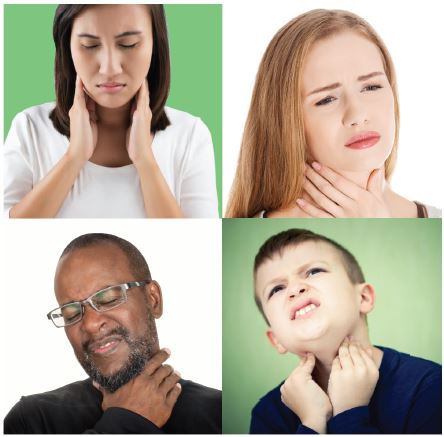
Sore throat: A symptom of infection 1
Back to topOral and throat infection is a common term used to define many different infections of the mouth and throat. A sore throat is a symptom of inflammation of the pharynx (pharyngitis) or tonsils (tonsillitis), or both (Pharyngotonsillitis). These infections spread through close contact with others. Pharyngotonsillitis can include irritation, itching, and pain that can make it difficult to swallow.
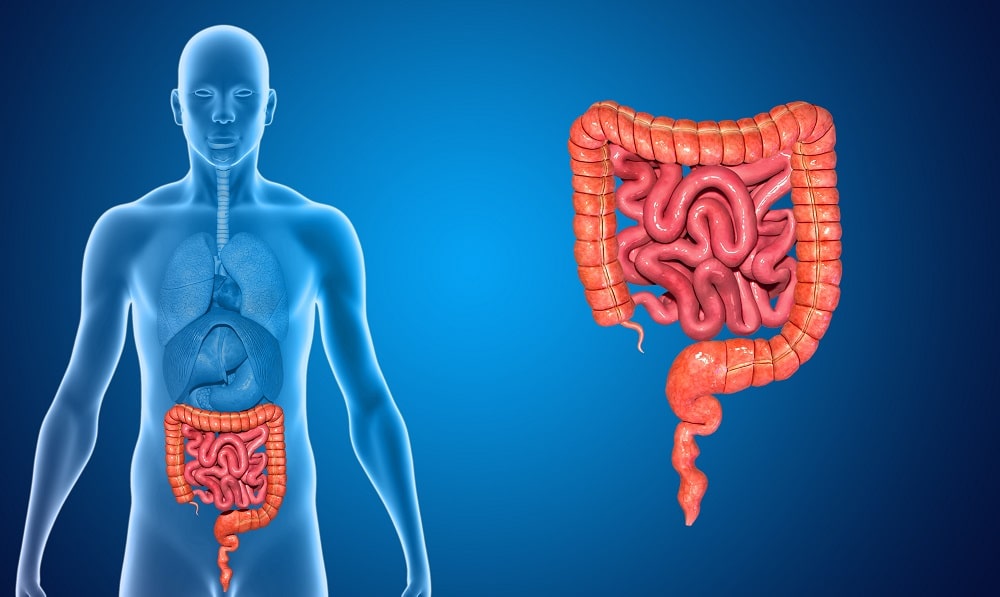
Anatomy
Back to top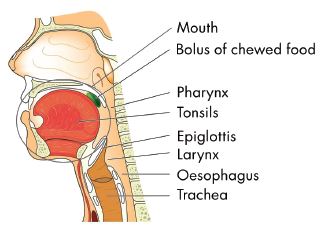
What causes oral and throat infections? 2,3
Back to top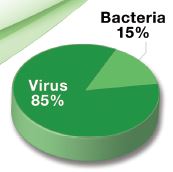
Did you know that there are two causes of a sore throat?
Back to top- 85% of sore throats in adults and children are caused by viruses (commonly called colds and flu)
- Less than 15% are caused by bacteria
Viruses commonly known to cause sore throats
Back to top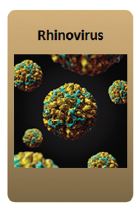
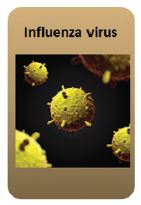
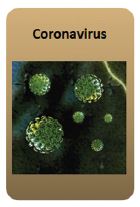
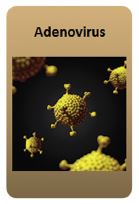

Sore throat risk factors 3
Back to top- Age (children and teens 5 – 15 years old are most likely to get a sore throat)
- Exposure to someone with an oral and throat infection
- Time of year (winter and early spring)
- Weather (cold air may irritate your throat)
- Irregularly shaped tonsils or large tonsils
- Pollution or exposure to smoke
- A weak immune system (prescription medication may weaken the immune system)
- Post-nasal drip or allergies
- Acid reflux disease
Sometimes there may be an overlap in clinical manifestations (how the symptoms present themselves). This means that differentiating between viral and bacterial infections can be challenging.
How to treat a sore throat?
Back to topKill the cause of the infection
Soothe the symptoms to reduce inflammation
1. Pharyngitis and Tonsillitis. John Hopkins Medicine Health Library. Available at: http://www.hopkinsmedicine.org/healthlibrary/conditions/respiratory_disorders/pharyngitis_and_tonsillitis_85,P01320/. Accessed on 13 December 2016. 2. Worrall, G.J. Acute sore throat. Canadian Family Physician. 2011;57:791–794. 3. Centers for Disease Control and Prevention. http://www.cdc.gov/getsmart/community/for-patients/common-illnesses/sore-throat.html. Accessed in May 2016. 4. Hadassah Medical Center, Hadassah Children Site. Pharyngitis. Available at http://www.hadassah-med.com/children-site/parents/diseases,-infections-and-immunization/infections/pharyngitis. Accessed on 12 December 2016. 5. Aung, K. Viral Pharyngitis. Available at: http://emedicine.medscape.com/article/225362-overview#a0104. Accessed on: 12 December 2016. 6. Harold, K.S., et al. Pediatric Pharyngitis. Available at http://emedicine.medscape.com/article/967384-overview#a0156. Accessed on 12 December 2016. 7. Arrol B, et al. Antibiotics for the common cold and acute purulent rhinitis. Cochrane Database Systemic Review 2002;(3):CD000247. 8. Linder, J.A. Antibiotics for Treatment of Acute Respiratory Tract Infections: Decreasing Benefit, Increasing Risk, and the Irrelevance of Antimicrobial Resistance. Clin Infect Dis. 2008;47(6):744-746. 9. Kawana R, et al. Inactivation of human viruses by povidone-iodine in comparison with other antiseptics. Dermatology 1997; 195 (Suppl 2): 29-35. 10. Shiraishi T, et al. Evaluation of the bactericidal activity of povidone-iodine and commercially available gargle preparations. Dermatology 2002; 204 (Suppl 1): 37-41. 11. Betadine® Mouthwash & Gargle approved package insert. 12. Porter S.R, et al. Review article: oral ulcers and its relevance to systemic disorders. Aliment Pharmacol Ther. 2005;21(4):295–306. 13. Rodriquez-Caballero, et al. Cancer treatment-induced oral mucositis: a critical review. Int. J. Oral Maxillofac. Surg. 2012;41:225-238. ZA/78/BMG/122016/SA

Sore Throat

Sore Throat

Sore Throat
Sore Throat
Sore Throat