
What is stress?
Back to topIn small quantities it is not necessarily bad. In certain circumstances it can be good for your health. In fact, some people thrive on it.4,5a. For instance, it can motivate you to focus and get things done like meeting an important deadline at work or running a marathon.3b Stress can even save your life by keeping you alert and giving you an extra boost of energy to defend yourself against an attacker or to prevent a car accident.3c
What causes stress and who is at risk?
Back to topEveryone experiences stress from time to time, and each of us reacts to it differently.1b In other words, something that triggers one person in a certain way might trigger another person in a different way. For example, Max and Tom are at a theme park getting ready to ride a rollercoaster. While Max feels excited and alive, Tom feels nauseous and scared.
How the body responds to stressors
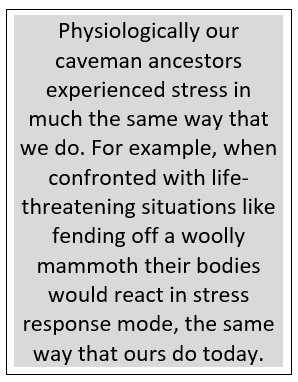
Back to topFor example, sitting in bumper-to-bumper traffic on the way to the airport, worried about missing your flight, your heart begins to race and your stomach knots. Boarding at the last minute, you make your flight. As a result, your hormones rebalance and your stress levels drop.

Signs and symptoms of stress overload
Back to topWhat to look out for
Cognitive signs and symptoms may include:
Back to top- Memory problems
- Inability to concentrate
- Poor judgement
- Extreme negativity
- Indecision
- Racing thoughts
- Constant worrying3d,8a
Emotional signs and symptoms may include:
Back to top- Feeling overwhelmed
- Loneliness or isolation
- Anxiety and agitation
- Persistently fearful
- Moodiness, easily tearful, irritability or anger
- Sadness
- Frustration
- Depression or general unhappiness3e,8b
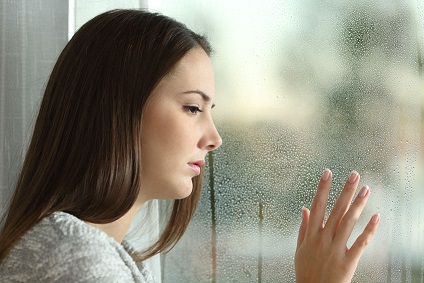
Behavioral signs and symptoms may include:
Back to top- Withdrawing from others
- Eating more or less
- Sleeping too much or too little
- Procrastinating
- Being neglectful (self or others)
- Substance abuse – smoking, consuming excessive quantities of alcohol, or taking drugs3f,8c
Physical signs and symptoms may include:
Back to top- Nausea, dizziness
- Headaches
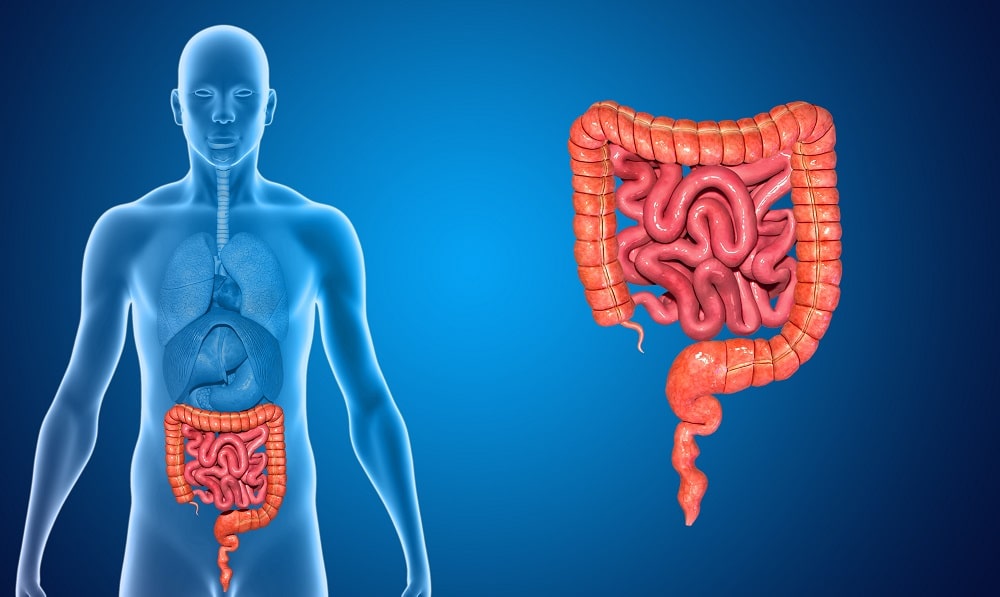
- Digestive problems, diarrhoea or constipation
- Aches and pains (such as chest pain)
- Skin conditions (such as itching, rash, breakouts, eczema)
- Weight loss or gain
- Stomach problems (diarrhoea)
- Rapid heart rate
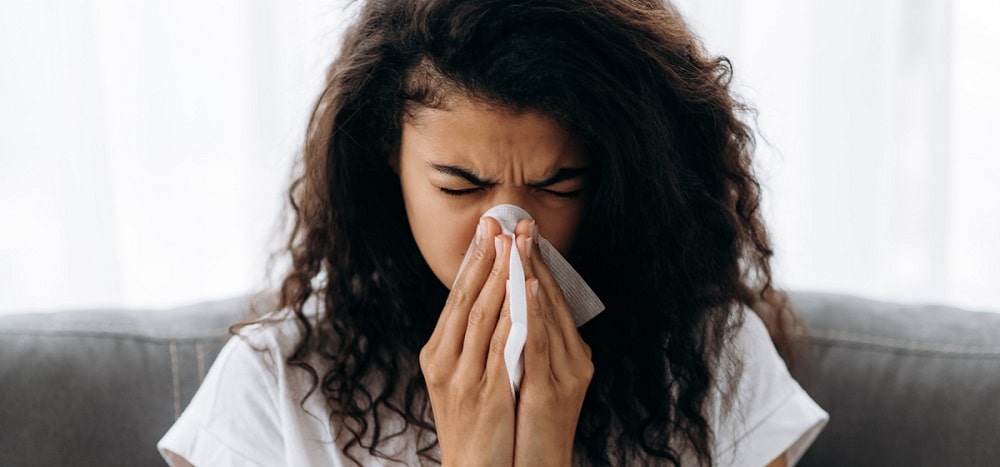
- Frequent colds or flu
- Loss of sex drive3g,8d
Diagnosis and Treatment
Back to topIf you feel that the demands made on you outweigh your capacity and you are persistently stressed out, speak to your doctor. Stress could also be symptomatic of an underlying problem for which your doctor might ask about your family history and take blood and urine tests to rule out various medical conditions.
What you can do to help yourself
Back to topWhile it is not always possible to remove the stressors that cause your stress, there are some things you can do to reduce its impact.
Identify the warning signs
Back to top- Acknowledge that you are stressed, try to identify the warning signs (cognitive, emotional, behavioural and physical)
- Once you have acknowledged that you are stressed, and have identified at least some of the warning signs, try to identify the possible reason/s for your stress8e
Take control
Back to top- Say yes only to the things you can realistically get to on your seemingly endless to do list
- Learn to say no and mean it
- Try not to do everything at once
- Ask for help
- Build supportive relationships8f

Make some lifestyle changes
Back to top- Regular physical activity, even 30 minutes 3 times a week is a natural way to relieve stress and, because it releases endorphins which help to improve mood
- A growing library of evidence proves that what we put into our bodies impacts our mood so, ensure that your diet is filled with enough essential nutrients found in fruit, vegetables, whole grains and oily fish – consider taking a natural supplement to boost your intake
- Take time for you to relax and practice self-care – finding a balance between the responsibility you feel towards others and your responsibility to yourself is crucial for reducing stress
- Make sure you get enough sleep, not just adequate sleep every now and again but proper restful sleep every night – try limiting your caffeine intake, none preferably a couple of hours before going to bed, no screen time at least an hour before bed and make your bedroom a no gadget zone8g
How Remotiv® can help relieve stress
Back to top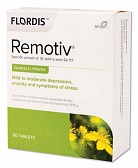
Remotiv® helps to:
Back to top

Stress Management Society. What is Stress. Available at: http://www.stress.org.uk/what-is-stress/. Accessed 21 March 2019. The American Institute of Stress. What is Stress? Available at: https://www.stress.org/daily-life. Accessed 21 March 2019. Stress Symptoms, Signs, and Causes. Available at: https://www.helpguide.org/articles/stress/stress-symptoms-signs-and-causes.htm/. Accessed 21 March 2019. Better Health Channel. Stress. Available at: https://www.betterhealth.vic.gov.au/health/healthyliving/stress. Accessed 21 March 2019. The Effects of Stress on Your Body. Available at: https://www.healthline.com/health/stress/effects-on-body#1 Australian Psychological Society Stress and wellbeing. Available at: https://www.headsup.org.au/docs/default-source/default-document-library/stress-and-wellbeing-in-australia-report.pdf?sfvrsn=7f08274d_4. Accessed 21 March 2019. Stress: a social issue. Available at: https://www.brunet.ca/en/advices/stress-a-social-issue.html. Accessed 21 March 2019. Mental Health Foundation. Stress. Available at: https://www.mentalhealth.org.uk/a-to-z/s/stress. Accessed 21 March 2019. US National Institute Library of Medicine. National Institute of Health. Available at: https://www.ncbi.nlm.nih.gov/pubmed/12040539. Accessed 21 March 2019. Schrader et al. Human Psychopharmacology. 1998; 13:163-169. Woelk et al. BMJ. 2000; 321:536-539. Schrader et al. Int Clin Psychopharma. 2000; 15:61-68.

Stress
Stress

Stress
Stress
Stress